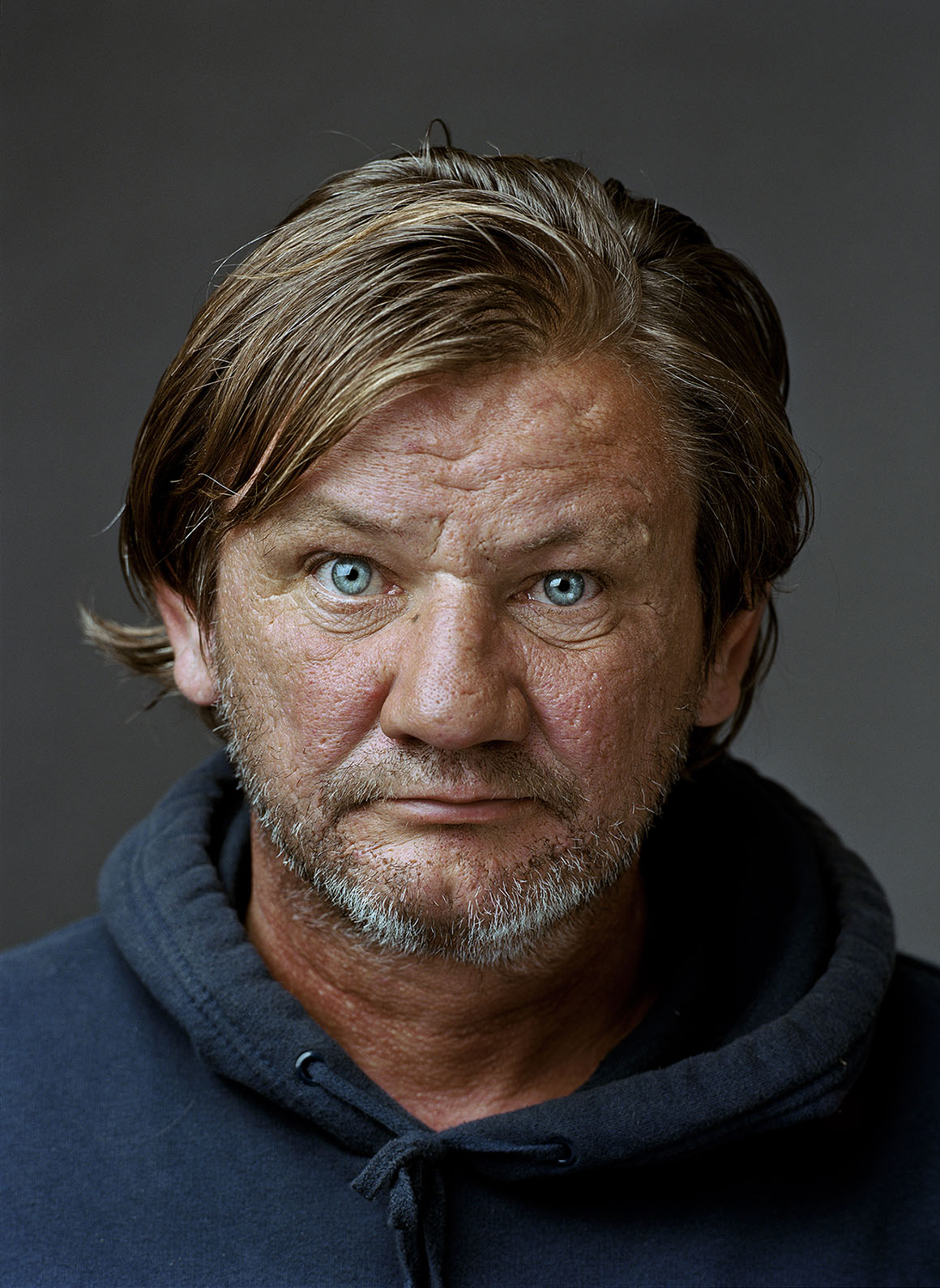
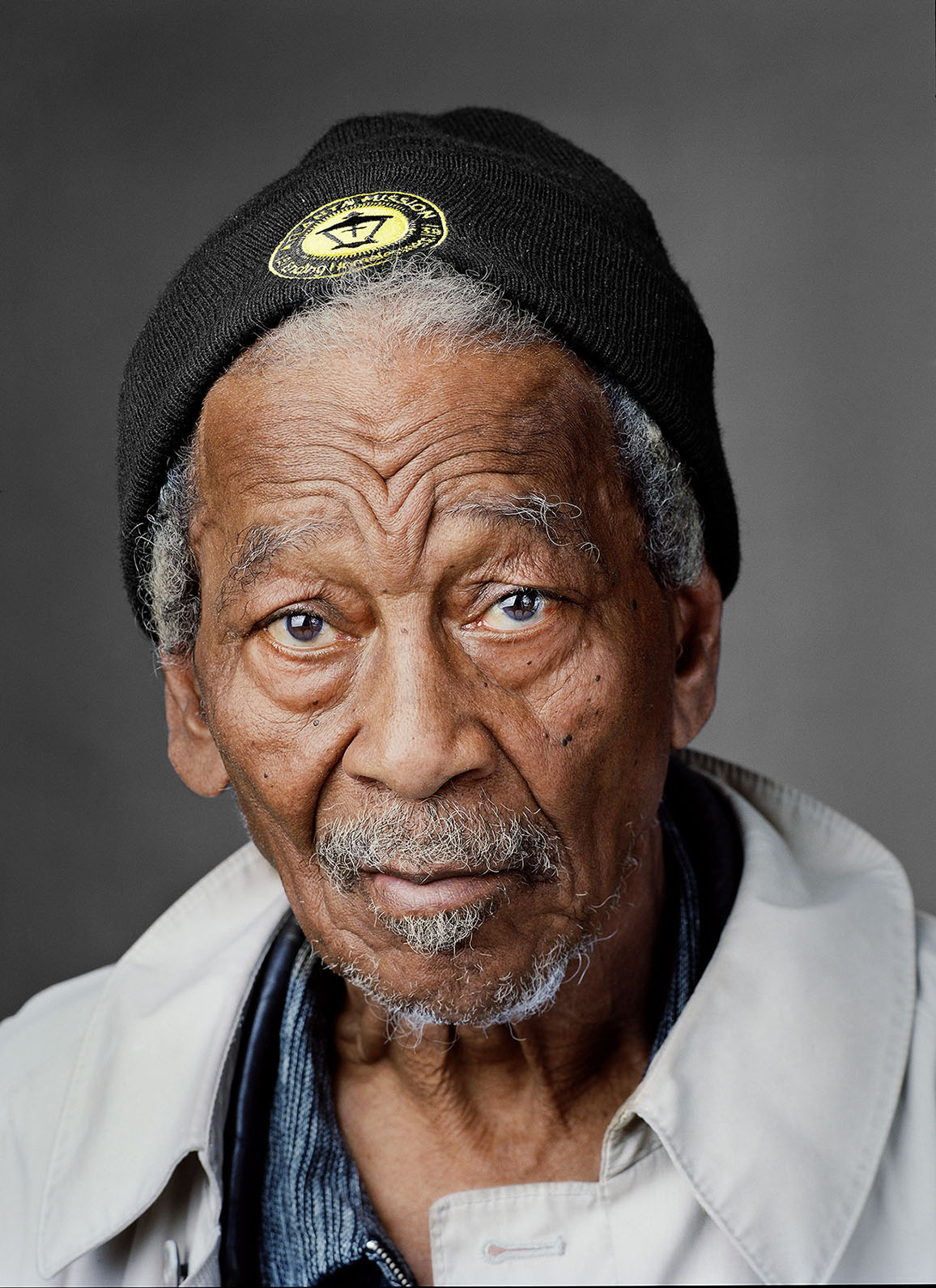
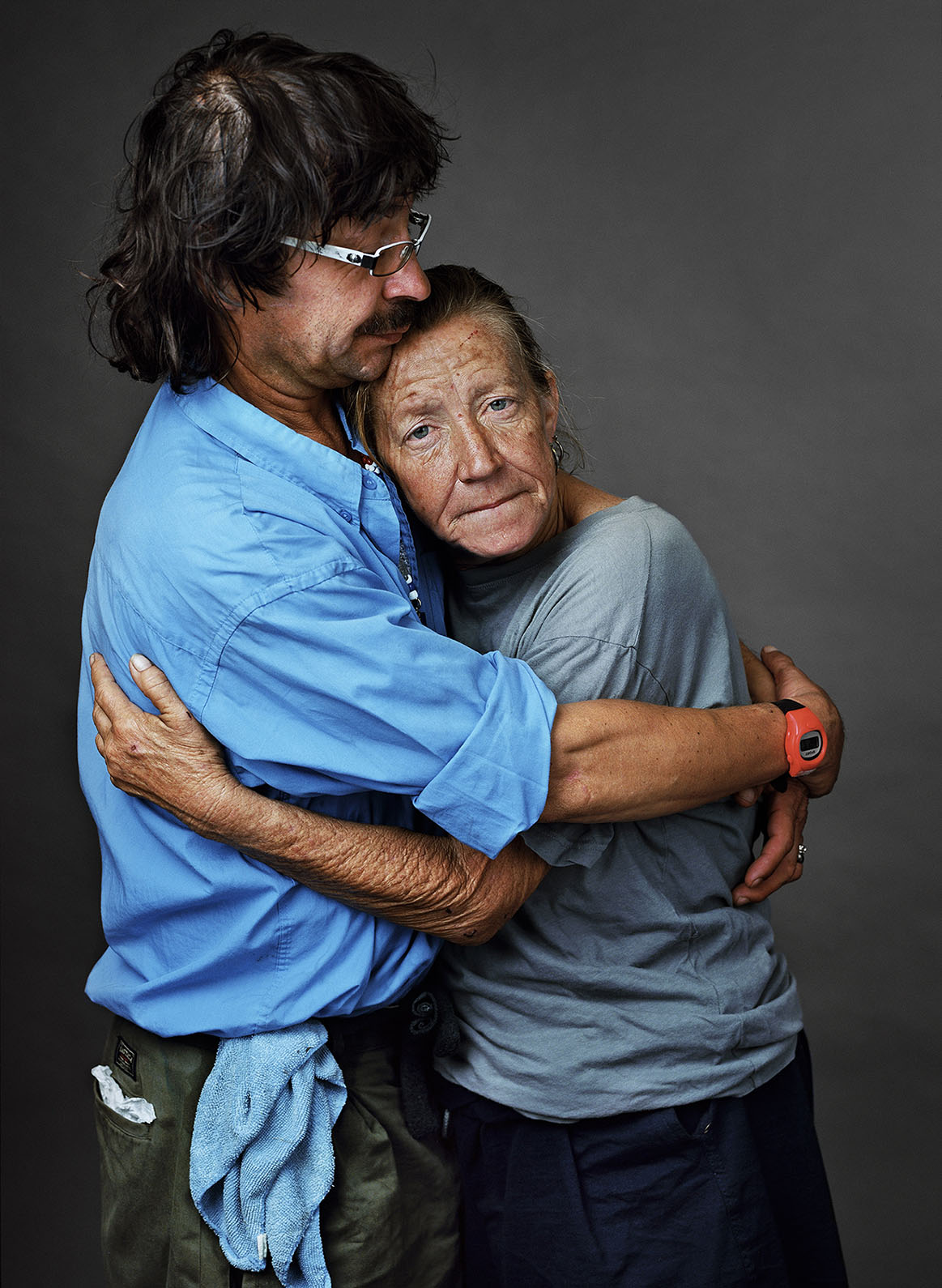
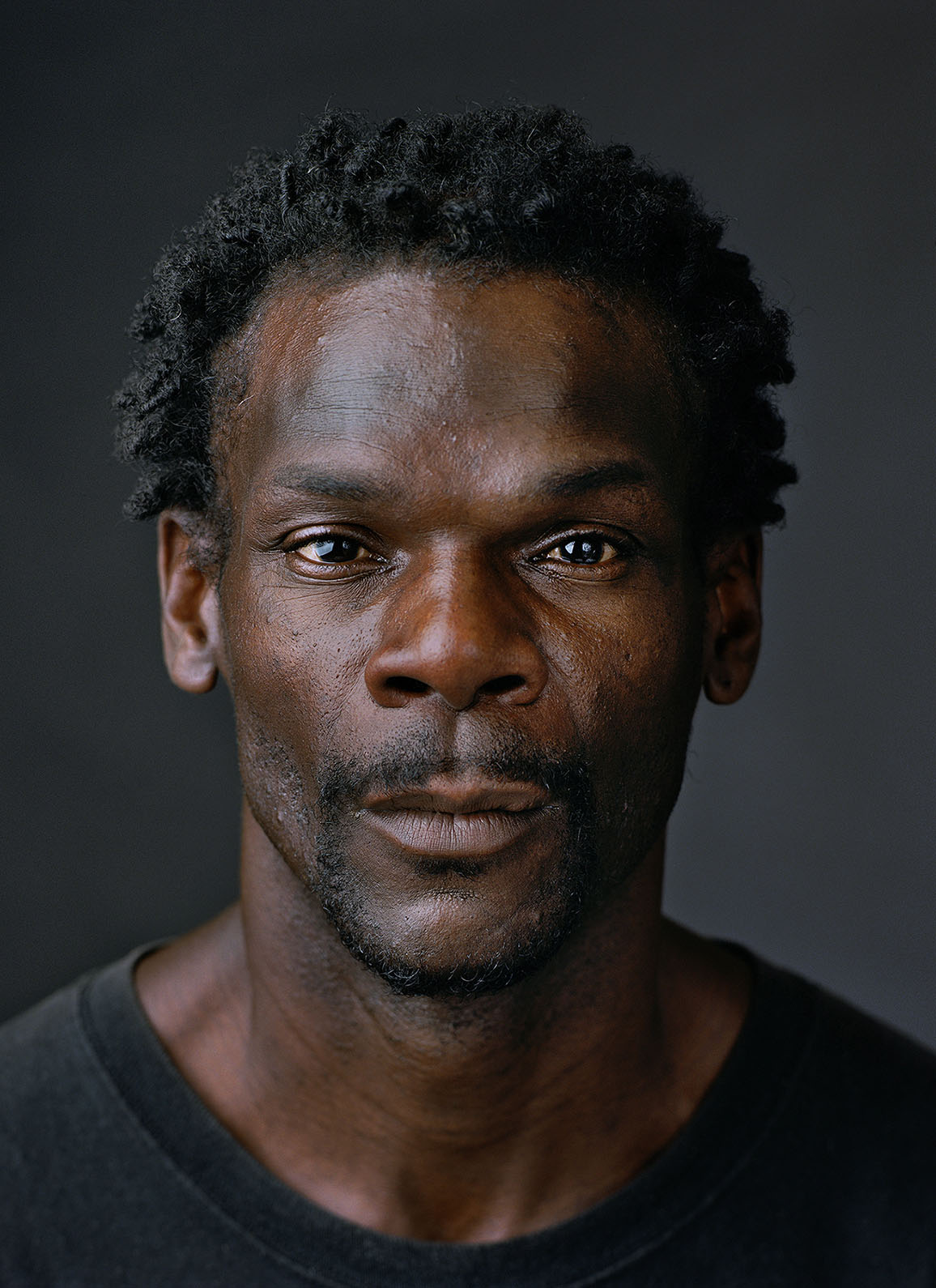
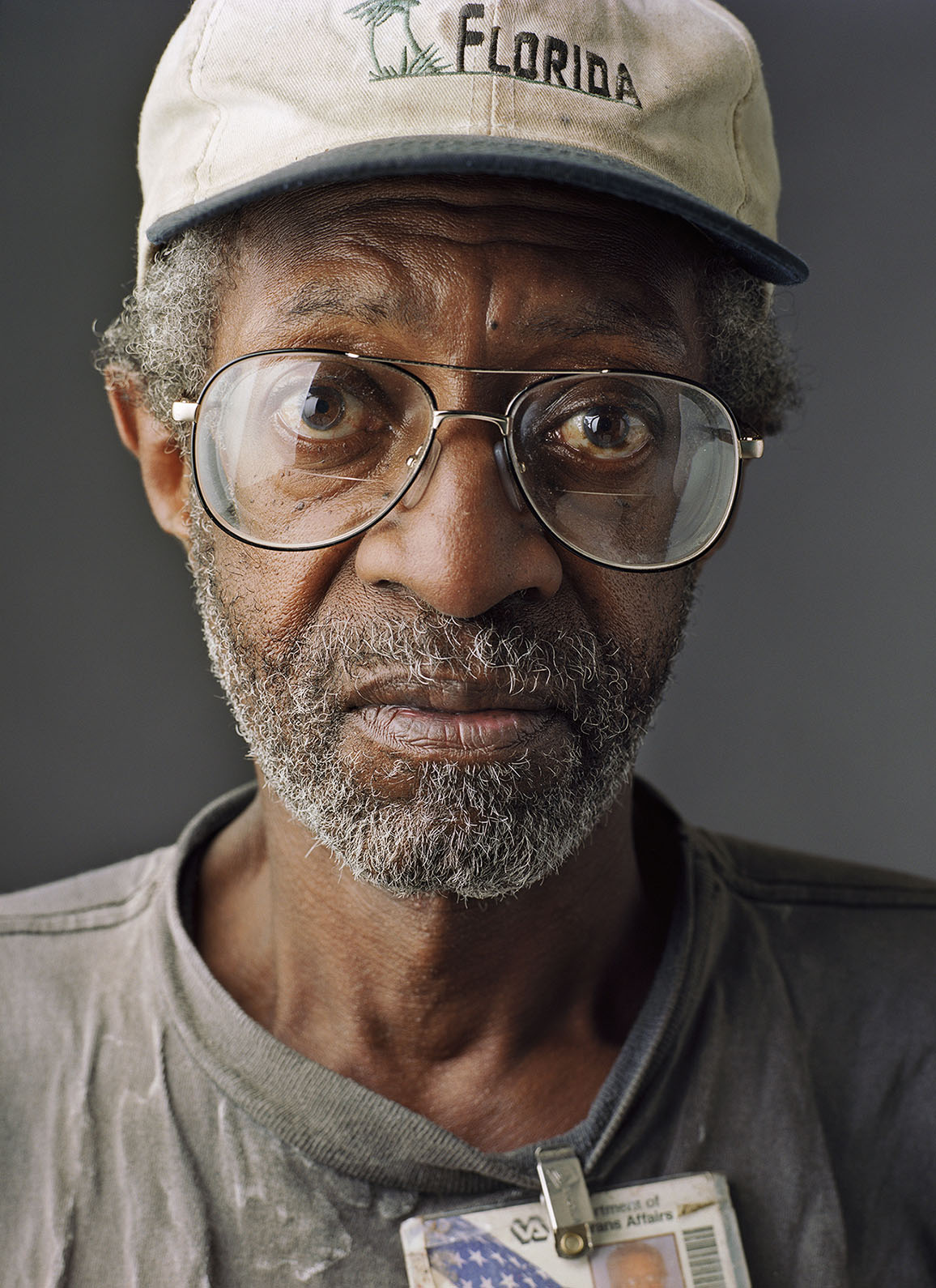
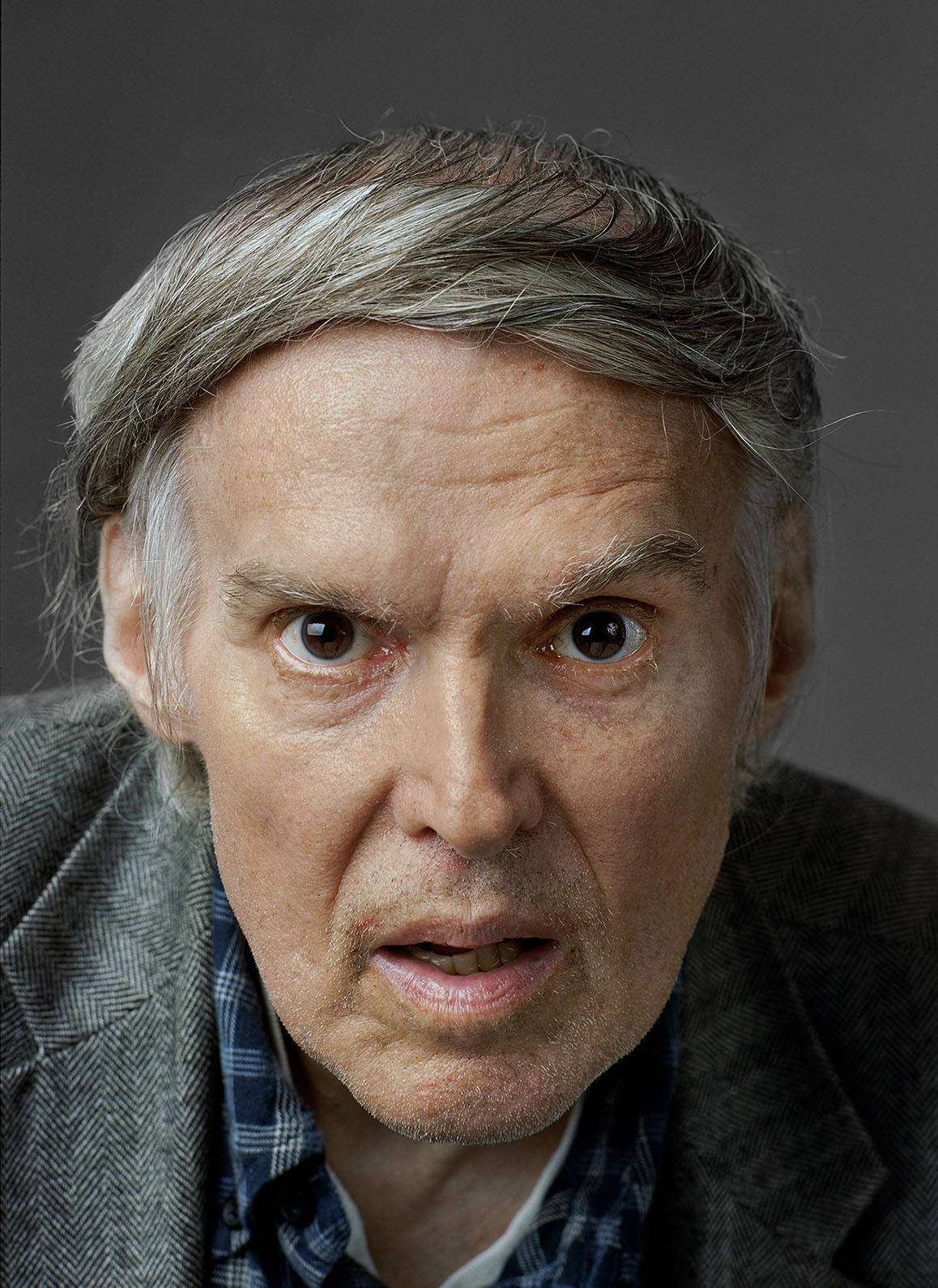
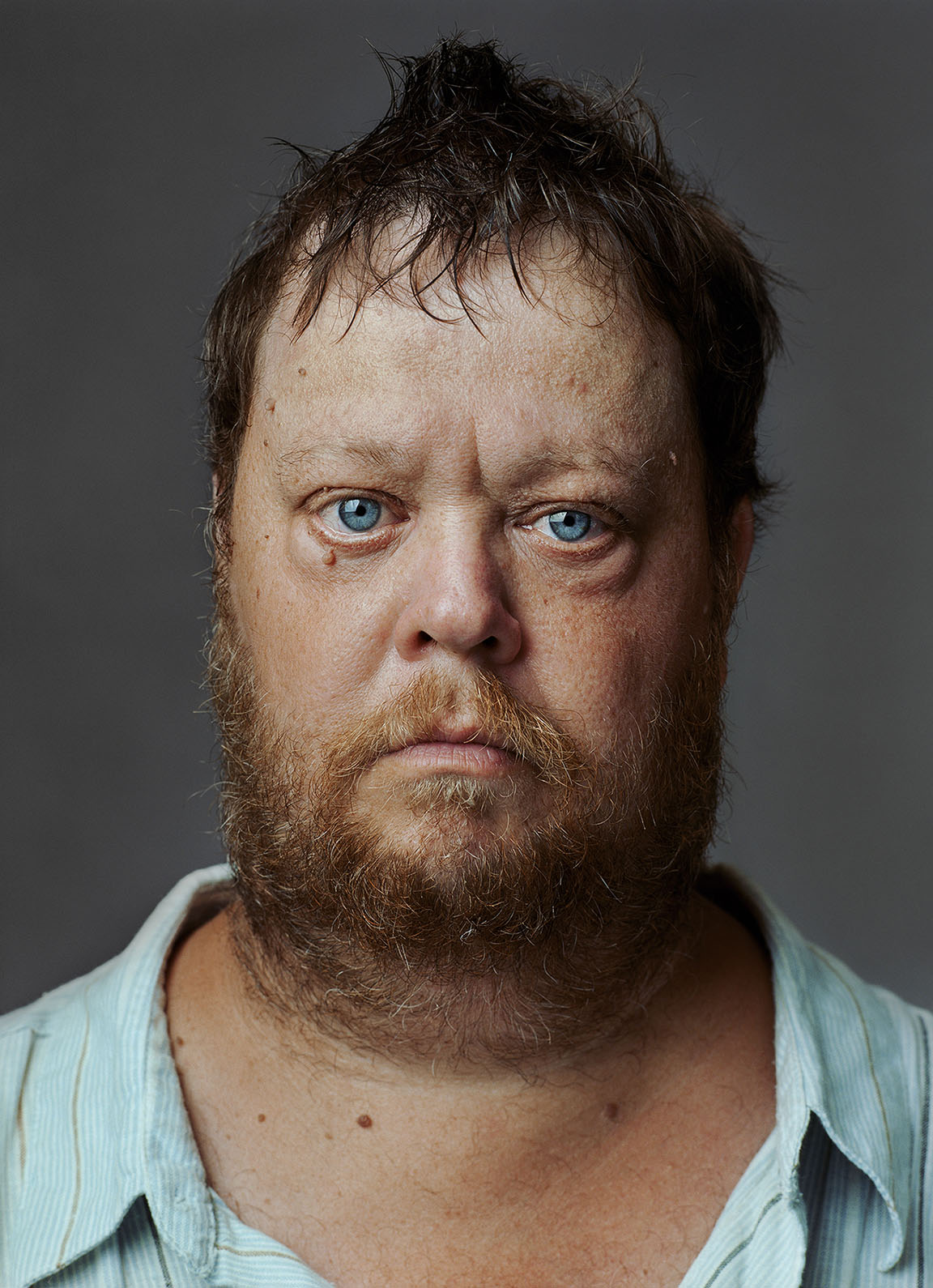
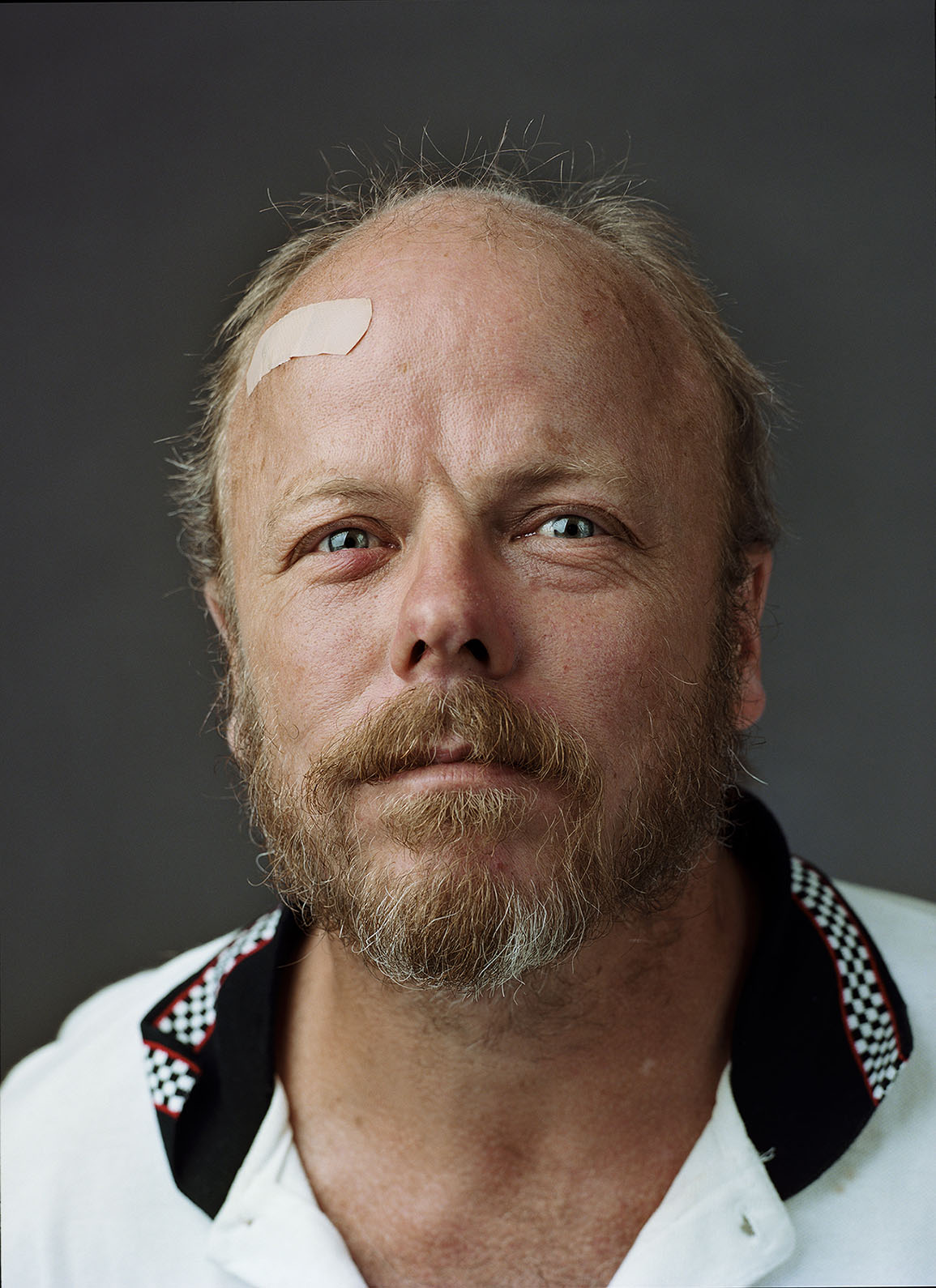
The project started in September 2010, when 701 Center for Contemporary Art (CCA) in Columbia, S.C. (U.S.) invited me as an artist-in-residence. A board member of the CCA suggested homelessness as a possible subject matter for me to explore through photography during this residency. Initially, I was skeptical because society’s outcasts have been photographed very often, and I worried that I had little to contribute to existing images. However, after some consideration, I came up with a different approach: to photograph people who are homeless as I would photograph any other member of society. That implied not scouting out the most picturesque people I could find, with beards and hats, and leaving out the typical paraphernalia, such as shopping carts and sleeping bags. My approach also implied not photographing them in dramatizing black and white — imagery so often associated with portraits of homelessness. Instead of presenting them as The Other, and thus, by default, different from us, I wanted to photograph them in a studio setting, against a neutral backdrop, focusing on their individuality rather than on stereotypes. In essence, I want to show who they are rather than what they are labeled.
I set up a makeshift studio in offices and rooms in organizations that serve homeless people in Columbia, S.C., Atlanta, Ga., and the Mississippi Delta. I felt that the choice of three different habitats – a medium-sized city, the Southern metropolis and a few rural towns – in three different Southern states would result in a fair degree of representation of homelessness in the U.S. South. In total, I photographed approximately 100 homeless men and women. Of these, 42 portraits were selected for this book.
In Columbia, and to some extent in Atlanta, I worked with an outreach worker of a homeless organization in that city. We approached people on the streets, in parks, and in the library, for example. The outreach worker would introduce me and explain what I was doing. If the person consented to the brief interview and to having a photograph made, we would go immediately to my make-shift studio and start right away, without any clean up or other aesthetic arrangements.
In Atlanta, I approached most men and women while they were coming in off the streets for their free meal and a bed in one of the organizations that regularly feeds and shelters homeless people. After introductions to the large group, I would approach people who I wanted to photograph. I conducted the photography and interviews after the person’s meal, in the studio set up just a few yards from where they were eating or standing in line.
A few of the people I photographed in the Mississippi Delta were staying in a shelter for a longer period of time, but even then, they made no special preparations for the photoshoot. The people you see in this book look just like they did when I first met them.